
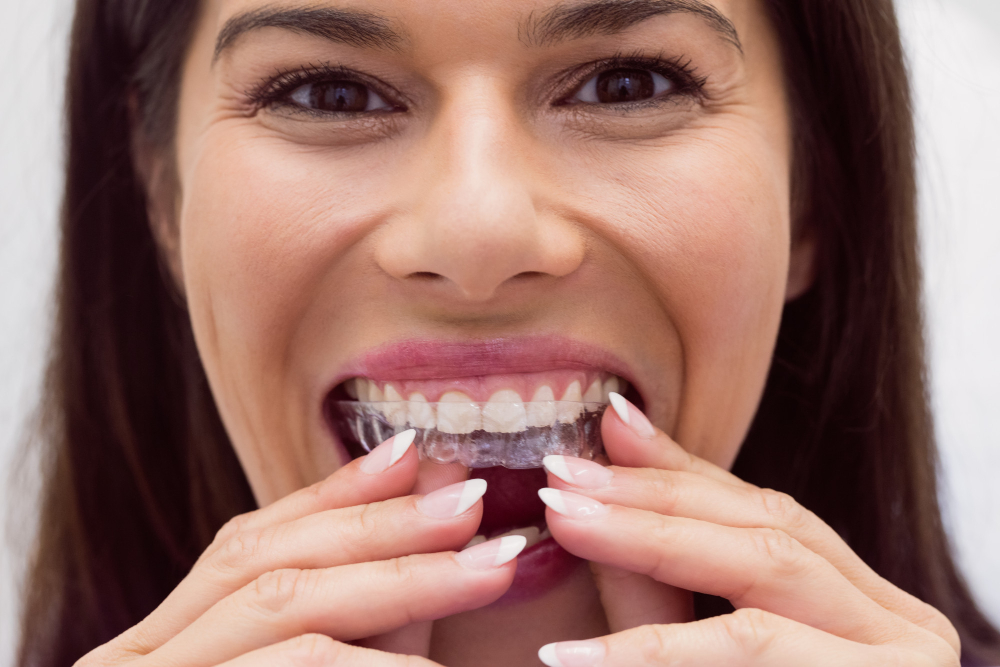
Aligner: A Simple Guide to Clear Aligners for Teeth Straightening

What is an Aligner?

An aligner is a clear, removable device used in dentistry to straighten teeth. Many people know aligners as invisible braces. Unlike metal braces, aligners are made from smooth, clear plastic. Because they are almost invisible, they are a popular choice for adults and teens. Clear aligner treatment helps move teeth into better positions. Dental aligners for teeth straightening are custom-made for each person. They fit snugly over your teeth and gently shift them over time.

How Do Aligners Work?

Aligners work by applying gentle, steady pressure to your teeth. As a result, your teeth slowly move into the right place. You will get a series of aligners, each slightly different. Every one or two weeks, you switch to a new set. This keeps your teeth moving in the right direction. For best results, you should wear your aligners for 20 to 22 hours each day. You only remove them to eat, drink, brush, or floss.

Benefits of Using Aligners

There are many reasons people choose aligners over traditional braces. Some of the main benefits include:

  • Nearly invisible: Most people will not notice you are wearing them.
  • Removable: You can take them out to eat or clean your teeth.
  • Comfortable: The smooth plastic does not irritate your mouth as metal braces can.
  • Easy cleaning: You can brush and floss as usual, which helps keep your mouth healthy.
  • Fewer dental visits: You may need fewer check-ups than with metal braces.
  • Who is a Good Candidate for Aligners?

    Not everyone is a good fit for aligners. However, many people with mild to moderate teeth problems can use them. You may be a good candidate if you have:

  • Crooked or crowded teeth
  • Small gaps between teeth
  • Minor bite problems, like an overbite or underbite
  • On the other hand, people with severe bite issues or very twisted teeth may need other treatments. Your dentist or orthodontist can tell you if aligners are right for you.

    The Aligner Treatment Process

    The process for getting aligners is simple. Here are the main steps:

  • Consultation: First, you meet with a dental specialist. They check your teeth and discuss your goals.
  • Impressions or scans: Next, the dentist takes pictures, X-rays, or digital scans of your teeth.
  • Custom plan: Then, a custom treatment plan is made just for you. You can even see a preview of your new smile.
  • Wearing aligners: You get your first set of aligners and start wearing them as directed.
  • Regular check-ups: You visit your dentist every few weeks to check progress and get new aligners.
  • Finishing treatment: Once your teeth are straight, you may need a retainer to keep them in place.
  • Care and Maintenance of Aligners

    Proper care keeps your aligners clear and your mouth healthy. Here are some easy tips:

  • Always remove aligners before eating or drinking anything except water.
  • Brush your teeth before putting aligners back in.
  • Clean aligners daily with a soft toothbrush and mild soap.
  • Do not use hot water, as it can warp the plastic.
  • Store aligners in their case when not in use.
  • Potential Risks and Side Effects

    Aligners are safe for most people. Still, some may notice mild side effects. These can include:

  • Soreness or pressure when starting a new set
  • Minor speech changes at first
  • Dry mouth or extra saliva
  • Lost or broken aligners
  • Usually, these issues go away as you get used to your aligners. If you have pain or problems, contact your dentist right away. The American Dental Association (ADA) recommends regular check-ups during treatment.

    Frequently Asked Questions About Aligners

  • How long does aligner treatment take? Most people finish in 6 to 18 months, but it depends on your needs.
  • Are aligners painful? You may feel mild pressure, but it should not hurt.
  • Can I eat with aligners? No, you should remove them before eating or drinking anything but water.
  • How often do I need to see the dentist? Usually, every 6 to 8 weeks for a check-up.
  • Are aligners safe for teens? Yes, many teens use aligners for teeth straightening.
  • Prevention and Oral Health Tips During Aligner Use

    Good oral care is important during aligner treatment. Here are some tips to keep your mouth healthy:

  • Brush and floss after every meal before putting aligners back in.
  • Rinse your mouth and aligners with water often.
  • Visit your dentist for regular cleanings and check-ups.
  • Do not smoke or chew gum while wearing aligners.
  • Follow your dentist’s instructions for best results.
  • In summary, aligners are a simple and effective way to straighten teeth. They are nearly invisible, comfortable, and easy to use. However, not everyone is a good candidate. Therefore, consult a dental specialist to find out if aligners are right for you.